The Nutrient the High-Protein Fitness Industry Keeps Forgetting - Fiber
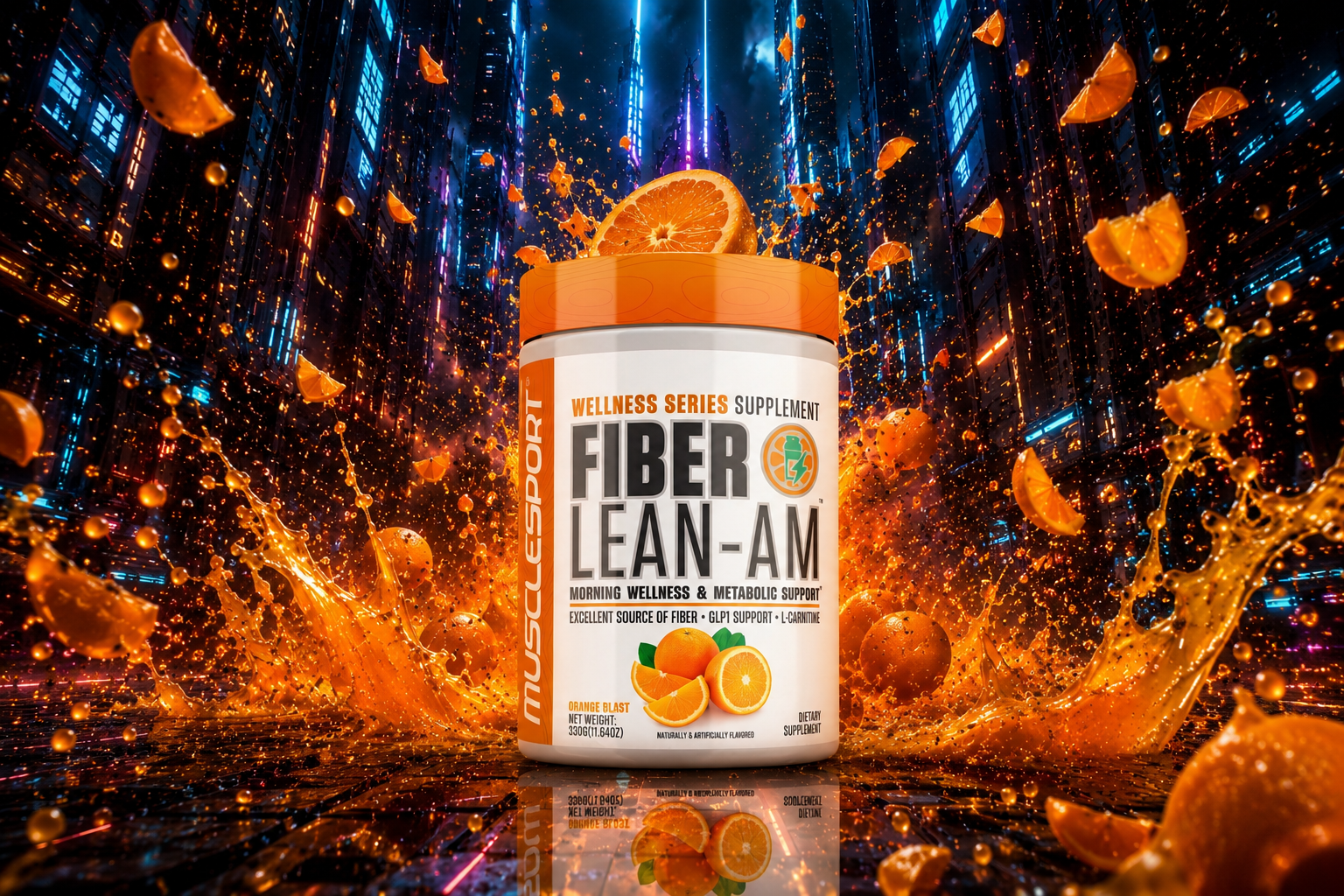
The fitness industry has spent years teaching people to chase protein; and for good reason. Protein supports muscle growth, recovery, strength and healthy aging. But somewhere between the protein cereal, protein coffee, protein chips and 50-gram post-workout shakes, another essential part of nutrition got pushed into the background:
FIBER.
This is not an argument against eating more protein. It is an argument for building a complete diet instead of obsessing over one macronutrient while ignoring everything around it.
Because you can hit your protein goal every single day and still have a diet that leaves your digestion, satiety and long-term health under-supported.
The Fiber Gap Is Real
The current FDA Daily Value for dietary fiber is 28 grams per day based on a 2,000-calorie diet. Individual needs vary, and a commonly used target is approximately 14 grams for every 1,000 calories consumed.
The problem is not that fiber recommendations are wildly unreasonable. The problem is that modern diets make them incredibly easy to miss.
Many convenient fitness foods are built to maximize protein while minimizing calories, carbohydrates or food volume. That can be useful—but when protein powders, bars and ready-to-drink shakes start replacing fruits, vegetables, legumes and whole grains instead of supplementing them, fiber intake can disappear quickly.
That is the distinction people keep missing: high protein does not automatically mean high quality, and it definitely does not automatically mean high fiber.
What Fiber Actually Does
Fiber is a type of carbohydrate the body does not fully digest in the small intestine. Different fibers behave differently, which is exactly why “fiber” should not be treated like one interchangeable ingredient.
Depending on the type and the rest of your diet, fiber can help:
Support regular bowel movements and normal stool consistency
Feed beneficial gut bacteria
Slow digestion and support a steadier post-meal blood-glucose response
Increase fullness and make meals more satisfying
Support healthy cholesterol levels
The long-term evidence matters too. Large systematic reviews associate higher fiber intake with better cardiometabolic outcomes and lower risk of cardiovascular disease, type 2 diabetes and premature mortality. Fiber is not merely a bathroom supplement. It is part of the foundation of a healthy diet.
Food First - But Be Honest About the Gap
The best way to get more fiber is through a variety of minimally processed plant foods. That gives you fiber alongside vitamins, minerals, phytonutrients and different fermentable substrates that no single powder can completely reproduce.
Useful staples include:
Berries, pears, apples and other whole fruits
Vegetables, especially leafy greens, cruciferous vegetables and potatoes with the skin
Beans, lentils and chickpeas
Oats, barley and other whole grains
Chia seeds, flaxseed, nuts and seeds
But “food first” should not become “supplements are never useful.” A fiber supplement can be a practical tool when schedule, appetite, food preferences or a highly structured nutrition plan makes the target difficult to reach consistently.
The goal is not to let a scoop of fiber replace produce. The goal is to use it to fill a legitimate gap.
Where MuscleSport Fiber Lean-AM Fits
MuscleSport’s Fiber Lean-AM provides 6 grams of soluble dietary fiber per scoop (21% of the Daily Value) in a 15-calorie Orange Blast powder. The formula centers on two branded soluble fibers: 6 g soluble fiber per serving from Fibersol® and Sunfiber®.
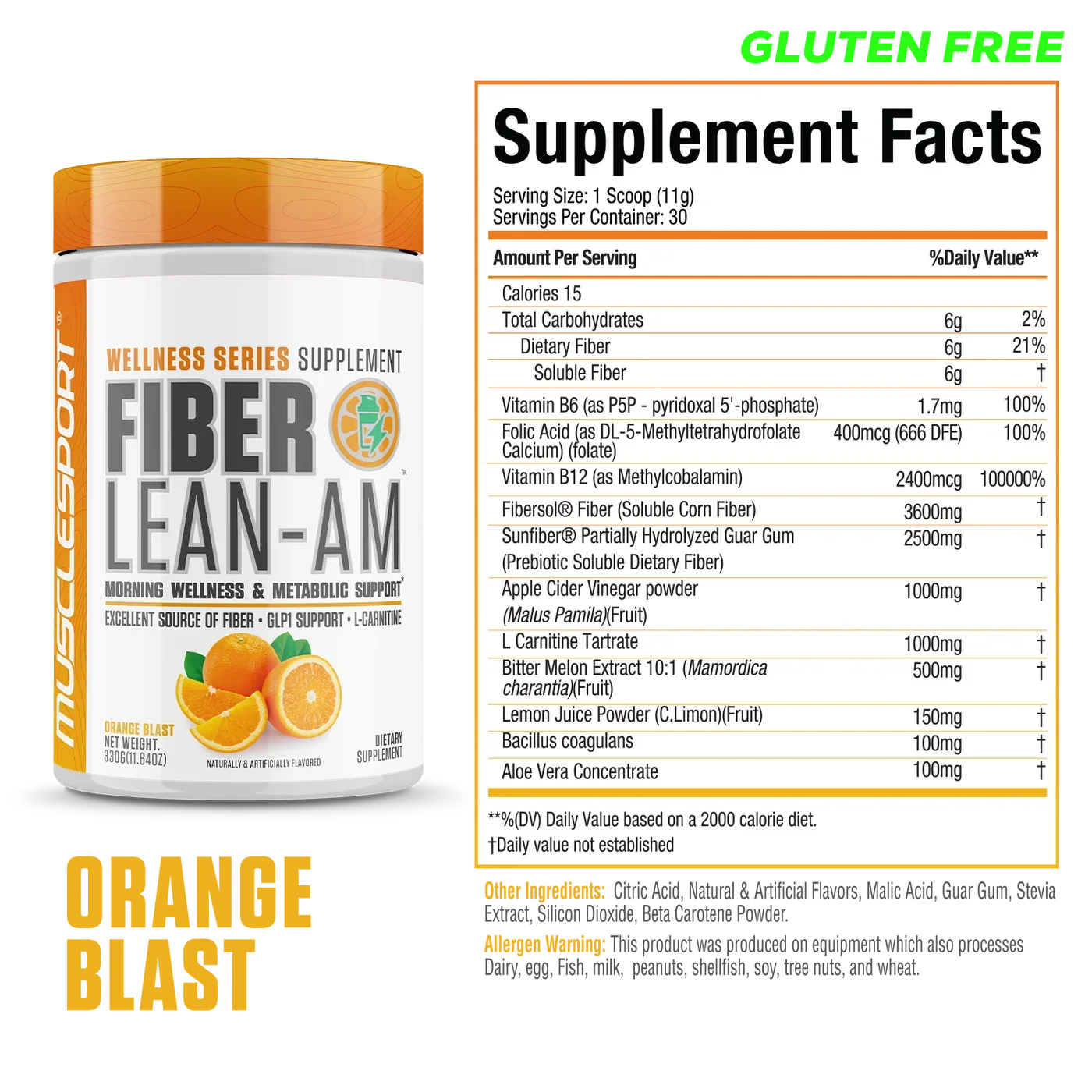
Fibersol® soluble corn fiber - 3,600 mg
Fibersol is a digestion-resistant soluble fiber. Research on resistant maltodextrin-type fibers suggests potential benefits for bowel regularity, post-meal glucose response and satiety, although the outcome depends on the dose, population and overall diet.
Sunfiber® partially hydrolyzed guar gum - 2,500 mg
Sunfiber is a partially hydrolyzed guar gum, or PHGG. It is a soluble prebiotic fiber studied for digestive regularity, stool consistency and effects on the gut microbiota. Compared with more rapidly fermented fibers, PHGG is often selected because it can be easier to tolerate—but individual responses still vary.
Together, the two sources provide a meaningful 6-gram serving without requiring someone to consume a massive scoop of a single fiber type.
What About the Rest of the Formula?
Fiber Lean-AM is positioned as more than a basic fiber powder. It also includes:
1,000 mg apple cider vinegar powder
1,000 mg L-carnitine tartrate
500 mg bitter melon extract
Bacillus coagulans
Aloe vera concentrate
Vitamins B6, folate and B12
These ingredients are intended to broaden the formula toward morning wellness, digestive and metabolic support. Some have promising research in specific contexts, but they should not distract from what the product does most clearly and measurably: deliver 6 grams of soluble fiber.
No fiber powder melts body fat. No “metabolic” ingredient overrides total calorie intake, food quality, movement, sleep or consistency. Fiber Lean-AM makes the most sense as a convenient fiber supplement with additional supportive ingredients, not as a replacement for the fundamentals.
How to Add Fiber Without Wrecking Your Stomach
If your current fiber intake is low, doubling it overnight is not a badge of honor. It is often a shortcut to gas, bloating and regret.
Here’s what actually works:
Start with a partial serving if you are not accustomed to supplemental fiber.
Increase your total daily fiber gradually rather than making one massive jump.
Drink adequate fluid throughout the day.
Spread fiber across meals instead of consuming your entire target at once.
Pay attention to your response; more is not automatically better.
*People with significant gastrointestinal conditions should speak with a qualified healthcare professional before adding a concentrated fiber supplement. Anyone using GLP-1 medication should also individualize fiber intake with their care team, especially if nausea, constipation or delayed gastric emptying is already an issue.
The Bottom Line
The fitness industry did not make a mistake by emphasizing protein. It made a mistake by acting as though protein was the whole conversation.
Muscle matters. Protein matters. But so do digestion, cardiovascular health, blood-sugar regulation, food quality and the ability to follow a nutrition plan without feeling miserable.
Start with real food. Build meals that include fruits and veggies. Track your intake for a few days if you genuinely do not know where you stand. Then, if there is still a consistent gap, use a supplement strategically.
Protein may be the loudest nutrient in fitness. Fiber is one of the reasons the entire system keeps working.
Sources
U.S. Food and Drug Administration — Daily Value on Nutrition and Supplement Facts Labels
Dietary Guidelines for Americans, 2025–2030
Reynolds et al. — Carbohydrate quality and human health: systematic reviews and meta-analyses
Yasukawa et al. — Partially hydrolyzed guar gum, stool characteristics and gut microbiota
Ye et al. — Fibersol-2, satiety and food intake
Kajimoto et al. — Resistant maltodextrin and postprandial glucose