How to Read a Supplement Label Without Falling for the Marketing
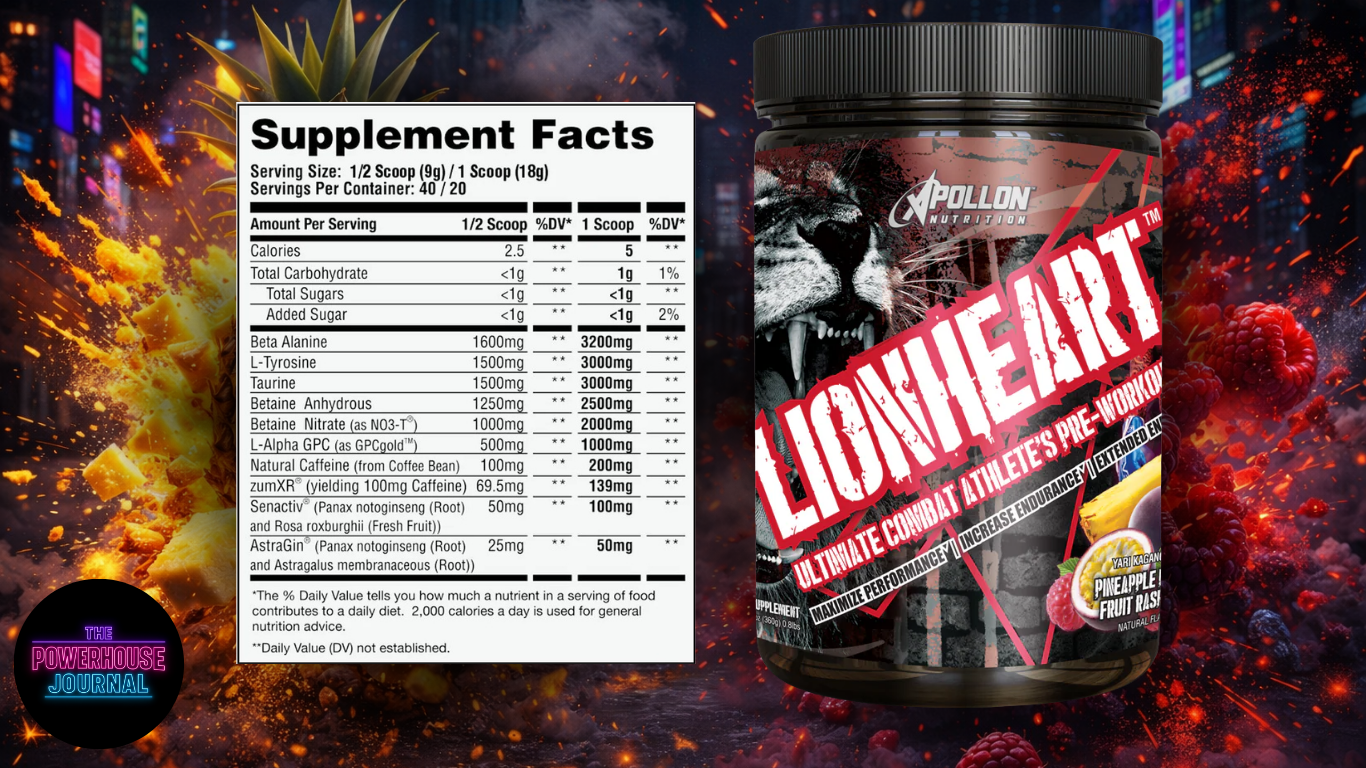
Most supplements aren’t technically lying — but they’re definitely not telling the whole truth. Here’s how to spot the difference.
If you’ve ever picked up a supplement and thought, “This sounds impressive, but I have no idea what it actually means,” you’re not alone.
The supplement and energy drink industry is overwhelming by design. Buzzwords, bold claims, and flashy packaging are meant to grab your attention — not educate you. Most people don’t buy bad products because they’re careless; they buy them because they don’t know what to look for.
By the end of this article, you’ll know exactly how to read a supplement label, what actually matters, and what’s mostly marketing noise.
The Front of the Label Is Marketing — Not Facts
The front of a supplement label is designed to sell you the product. That’s it.
Phrases like:
“Clinically dosed”
“Premium blend”
“Elite formula”
“Advanced performance”
“Next-generation”
are marketing language. They’re not regulated in the way most people assume, and they don’t guarantee quality, effectiveness, or even transparency.
That doesn’t mean every product using this language is bad — but it does mean you shouldn’t make decisions based on the front of the label alone.
The front of the label is where brands talk to you.
The supplement facts panel is where the truth lives.
Start With the Supplement Facts Panel
If you want to understand what you’re actually buying, the supplement facts panel is where you start — every time.
This is the legally regulated part of the label. Brands are required to list:
Ingredients
Amounts
Serving size
Servings per container
This panel tells you far more about the product than the front ever will.
Before you even look at ingredients, check:
Serving size: Some brands shrink or inflate serving sizes to make numbers look better.
Servings per container: A “30-serving” product isn’t helpful if you need two scoops to get meaningful doses.
Does it match the claims on the front? If the front promises something big, the facts panel should support it.
If you skip this step, you’re shopping blind.
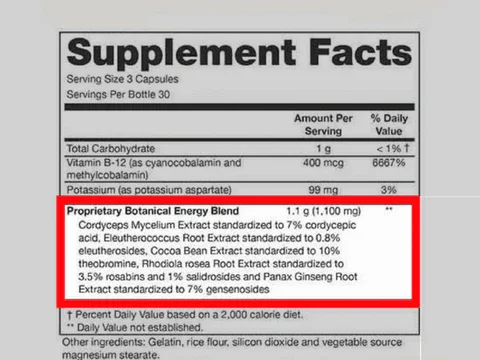
Proprietary Blends: The Biggest Red Flag
A proprietary blend is a group of ingredients listed together under a single total amount.
Here’s why that matters:
You don’t know how much of each ingredient you’re getting.
The most effective ingredients might be severely underdosed.
The cheapest ingredients are often listed first to make the blend look impressive.
Proprietary blends are legal — but they’re often used to hide weak formulations.
If a brand won’t tell you how much of something you’re taking, ask yourself why.
Transparency matters. Brands that believe in their formulas usually have no problem disclosing exact amounts.
Ingredients Don’t Matter Without the Right Dosages
One of the biggest mistakes people make is assuming that seeing an ingredient listed means it’s doing something meaningful.
It doesn’t.
An ingredient can be included at a tiny dose just so it can appear on the label. This is called “label dressing,” and it’s extremely common.
Instead of asking “Is this ingredient in here?” ask:
Is it included at an amount that actually does something?
Is it there for function — or for marketing appeal?
A longer ingredient list doesn’t mean a better product.
It usually means better marketing.
“Clinically Studied” Doesn’t Mean What You Think It Does
When a label says “clinically studied,” it’s usually referring to an ingredient — not the final product.
Important distinctions:
An ingredient being studied doesn’t mean the product was studied.
Study dosages don’t always match what’s in the formula.
Brands often cherry-pick language from research to sound more authoritative.
That doesn’t mean studies are useless — they’re valuable context. But they don’t replace transparency.
A study on an ingredient does not automatically validate the entire product.
Trust brands that explain why an ingredient is included and how it fits into the formula, not just those that drop scientific buzzwords.
Sweeteners, Flavors, and “Extras”
Sweeteners and flavors are one of the most emotional parts of supplement labels — and they don’t need to be.
A few things to keep in mind:
Artificial vs. natural sweeteners aren’t automatically good or bad.
Flavoring matters because compliance matters — a product only works if you actually use it.
“No artificial anything” doesn’t automatically make a product superior.
Context matters more than fear-based thinking. Most of these ingredients are there to make products usable, not harmful.
Ask the Most Important Question: Who Is This Actually For?
Not every supplement is meant for every person — and that’s okay.
When reading a label, ask:
Is this for beginners or experienced users?
Is it designed for daily use or occasional use?
Does the formula match the audience it claims to serve?
A supplement isn’t bad just because it’s not for you.
But misleading labels make people buy the wrong products.
This question alone can save you money and frustration.
What Transparent Brands Do Differently
Good brands tend to:
Fully disclose ingredient amounts
Explain formulation choices
Avoid vague, inflated claims
Educate instead of overpromising
They don’t rely on confusion to sell products. They rely on clarity.
This is the standard consumers should expect — and the standard we hold products to.
The Bottom Line
You don’t need to be an expert to buy better supplements.
You just need to:
Ignore the hype
Read the supplement facts panel
Look for transparency over buzzwords
Understand who the product is actually for
The goal isn’t to buy perfect supplements.
It’s to stop buying misleading ones.
If you want more no-BS breakdowns like this, that’s exactly what The Powerhouse Journal exists for.